Blog.
In today’s noisy marketplace, your brand isn’t just competing with other businesses – it’s competing with every post, ad, and notification that distracts your audience. That’s why the advertising agency you choose can be the single most important decision for your marketing success.
For start-ups, the right agency can put your brand on the map. For established companies, it can refine your presence, improve ROI, and uncover new growth opportunities. But with hundreds of agencies, from boutique specialists to full-service giants – how do you know which one is right for you?
Let’s explore how to make that choice wisely.
Why an Advertising Agency Can Transform Your Growth
A well-chosen agency does far more than design a few ads or post on social media. It brings a blend of market insight, creativity, and technical expertise that most in-house teams simply can’t match without heavy investment.
They come equipped with creative talent that can make your campaigns memorable, analysts who can turn data into actionable strategies, and media buyers who know exactly where to place your ads for maximum impact. They also have access to high-end tools for targeting, tracking, and optimizing campaigns — tools that would cost your business a fortune to use independently.
Step One: Understand Your Own Needs
Before you even Google, “advertising agencies near me,” you need clarity on what you want to achieve. Are you building brand awareness from scratch? Trying to increase e-commerce sales? Launching a product in a competitive market?
Your objectives will influence the type of agency you choose. For example:
If your goal is holistic brand building, a full-service agency that handles creative, media buying, digital, and PR under one roof might be best.
If you need high-performance lead generation, a digital-first agency specializing in SEO, PPC, and funnel optimization could be a better fit.
Without this self-awareness, you risk hiring a great agency for the wrong job.
Step Two: Look Beyond the Gloss
Many agencies showcase their best work in sleek case studies and glossy decks. That’s fine, but it’s only part of the story. Dig deeper. Ask about the challenges they faced in those projects, how they measured success, and what they would do differently next time.
Don’t just focus on the industries they’ve worked in; focus on the problems they’ve solved. An agency that increased a small brand’s sales by 300% in three months might be more valuable to you than one that produced a glamorous but low-impact TV ad for a large corporate.
Step Three: Judge on Compatibility, Not Just Capability
An agency might be technically brilliant but still wrong for you if your working styles don’t match. Pay attention to how they communicate during early discussions. Are they transparent about deadlines, budgets, and expected results? Do they ask smart questions about your brand instead of delivering a one-size-fits-all pitch?
A good agency relationship feels like a partnership, not a vendor arrangement. You should be able to have frank conversations about performance, creative direction, and even disagreements — without things becoming tense.
Step Four: Balance Budget With Ambition
Budgets are often the trickiest part of agency selection. The cheapest option is rarely the best, but the most expensive isn’t automatically a guarantee of success either.
Instead of focusing on price alone, evaluate value. Ask yourself:
What will my business gain in revenue, reach, or brand equity for the money I spend?
Is the agency willing to adapt their strategy to make the most of my budget?
Do they have a track record of delivering strong ROI for similar-sized clients?
Some agencies offer flexible pricing models, such as retainers, project-based fees, or performance-linked payments, so it’s worth discussing which one aligns best with your comfort level.
Step Five: Think Long-Term
The best agency for you isn’t just the one that can run your next campaign – it’s the one that can grow with you. Look for a partner that invests time in understanding your business model, your audience, and your competitive environment.
Trends That Shape Agency Selection
As you weigh your options, keep in mind the rapidly shifting marketing landscape in India:
Social-first storytelling: Instagram Reels, YouTube Shorts, and LinkedIn native videos are dominating attention. Your agency should be fluent in these formats.
Influencer integration: Beyond celebrity tie-ups, micro and nano influencers are becoming key to building trust. Agencies that can manage influencer collaborations effectively will give you a competitive edge.
Blended campaigns: While digital dominates, traditional media like print, radio, and outdoor still hold power in certain markets. The best agencies can combine both for maximum impact.
Performance accountability: You should expect clear metrics — CTRs, ROAS, conversions, and customer lifetime value — and an agency that tracks and optimizes in real time.
Innovation readiness: From AR/VR experiences to AI-driven ad targeting, agencies that embrace new tech will keep your brand ahead of slower-moving competitors.
The Bottom Line
Choosing the right advertising agency in India is as much about strategy and culture as it is about creativity and cost. Take the time to define your goals, research deeply, and assess both capability and compatibility.
When you find the right fit, the results go far beyond clicks and impressions, you get a marketing partner that fuels your brand’s growth for years to come.
Tags:
Blogs
More Stories
In India’s dynamic business landscape, a brand is far more than its logo, tagline, or colour palette. It’s the sum of promises kept, experiences delivered, and trust earned over time. Whether it’s a Bengaluru fintech startup or a century-old textile house in Surat, brands that thrive are those that go deeper than design — they live in the minds and hearts of their customers.
 Amit Bailke
In today’s noisy marketplace, your brand isn’t just competing with other businesses – it’s competing with every post, ad, and notification that distracts your audience. That’s why the advertising agency you choose can be the single most important decision for your marketing success.
Amit Bailke
Many marketing projects derail not because the agency lacks talent, but because the client didn’t clearly define what they needed in the first place. Think about it — if your team and your agency aren’t aligned on the starting point, the goal, and the parameters, you’ll waste time, burn budget, and risk getting work that doesn’t hit the mark.
Amit Bailke
We’ve all wondered at some point — does branding really make that much of a difference? A common myth is that branding is only for big companies with deep pockets. In reality, it’s not rocket science. When brands make informed, consistent decisions, consumers feel more confident engaging with them
Amit Bailke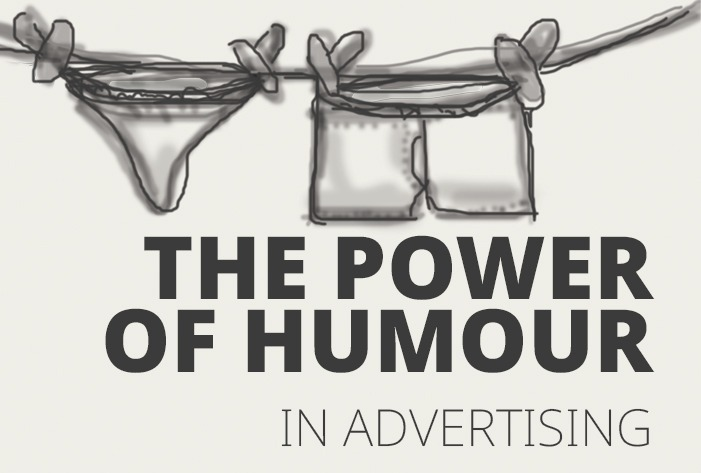
We’ve all wondered at some point — does branding really make that much of a difference? A common myth is that branding iHumour has always held a special place in Indian marketing. From Amul’s iconic topical billboards to Fevicol’s legendary one-liners, humour has shaped the way brands win hearts in this country. Humour isn’t just a creative choice—it has become a strategic tool for brands looking to cut through overwhelming digital noise.
Amit Bailke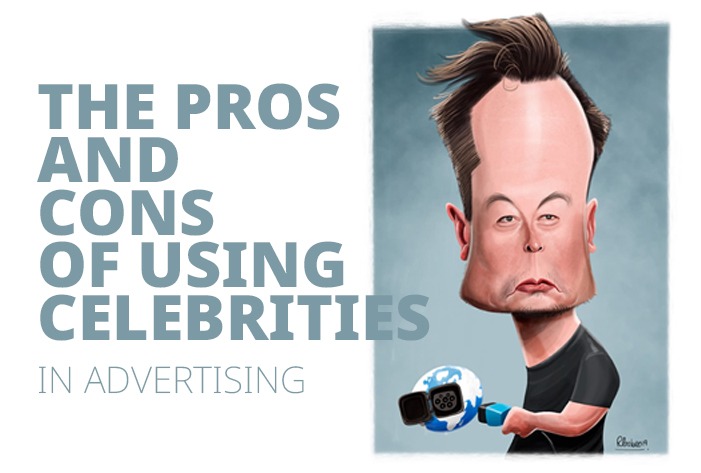
Celebrity endorsements are common Indian advertising. In a country where film stars, cricketers and digital influencers enjoy massive admiration, linking a brand with a famous personality can instantly drive visibility, trust and desirability. Although, it must be executed carefully, so that it enables brands to leverage fan communities and create emotional connections that conventional advertising struggles to achieve.
Amit Bailke
The desire to distinguish yourself in a sea of similar brands through bold, disruptive work has become a blanket claim, since only a few actually do so. Most of the envelope-pushing work agencies develop never reaches the client — it dies a silent death within the agency, in a cycle fed by both sides. The lack of courage lies with neither the client nor the agency, but with both.
 Mihir Modak
A new client has been onboarded and says, “Surprise us. No idea is a bad idea.” At first glance, this is the dream brief: no red tape, no strict obligations, pure creative freedom. But “Surprise me” is an incomplete instruction packaged as a complete one, and it ends up wasting exactly what it was meant to save: time.
Mihir Modak
It takes a lot of effort to make things seem effortless. “Daag Acche Hain” doesn’t sound like a typical tagline — it sounds like an actual conversation, and that is exactly why it works so well. The best taglines don’t sound baked in a creative agency, but that ease comes with hard work.
Mihir Modak