Blog.
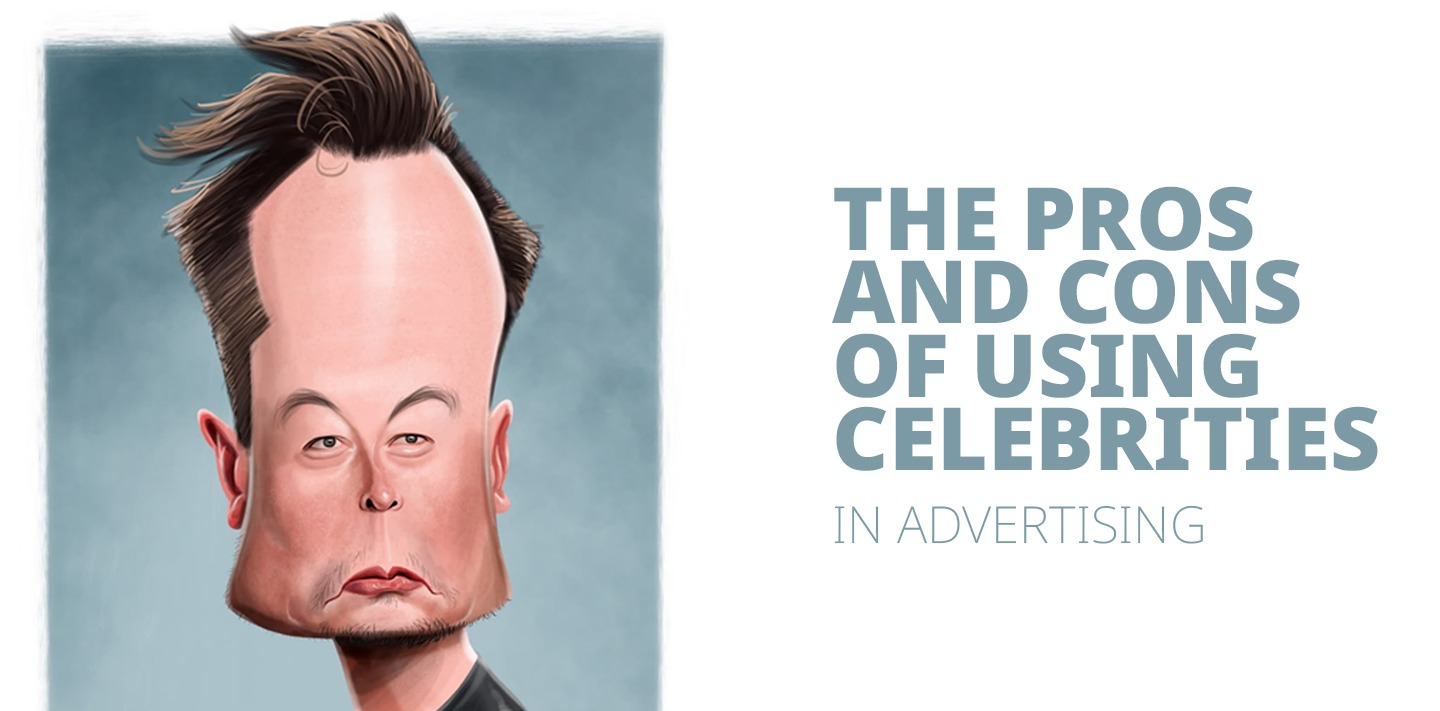
Celebrity endorsements are common Indian advertising. In a country where film stars, cricketers and digital influencers enjoy massive admiration, linking a brand with a famous personality can instantly drive visibility, trust and desirability. Although, it must be executed carefully, so that it enables brands to leverage fan communities and create emotional connections that conventional advertising struggles to achieve. But despite its strengths, this strategy comes with risks that must be considered before entering into long-term partnerships.
In India, celebrities do influence people. When someone like Virat Kohli or Alia Bhatt endorses a product, audiences often perceive it as a personal recommendation rather than just a paid association. This makes celebrity marketing a powerful shortcut for brands to build credibility quickly. Instead of spending years to establish trust, they can borrow it from someone consumers already admire.
Celebrity partnerships also contribute to long-term brand-building. A memorable example is Amitabh Bachchan and Cadbury, where Bachchan’s credibility played a crucial role in rebuilding the chocolate brand’s reputation after a contamination crisis in the early 2000s. His presence helped shift public perception, demonstrating how the right celebrity can influence brand narratives for years.
Associating with popular personalities also helps brands stay current in an evolving market. Younger audiences, especially those active on Instagram, YouTube and OTT platforms, often connect more deeply with brands endorsed by stars such as Kiara Advani, Kartik Aaryan or Rashmika Mandanna. Their aspirational lifestyles and cultural relevance make brands look fresher and more youthful. Additionally, Indian celebrities often have multi-regional fan bases, giving brands access to diverse markets without the need for separate campaigns.
Key Advantages of Using Celebrities:
Instant Trust & Credibility: Fans trust celebrities, making endorsements feel like personal recommendations.
High Recall Value: Well-known faces make advertisements more memorable.
Access to Wider Markets: Celebrities with pan-India appeal help brands penetrate multiple regions simultaneously.
Cultural Relevance: Youth icons enhance brand modernity and trendiness.
Despite these benefits, celebrity marketing in India is not without its challenges. The biggest risk is the unpredictability of a celebrity’s public image. Indian media and social networks can amplify controversies rapidly. Incidents involving celebrities such as Hardik Pandya, or Aamir Khan have previously led brands (Gillette and Snapdeal) to pause or reassess their partnerships. When controversies strike, brands are forced into damage-control mode, risking both financial and reputational setbacks.
Another risk lies in the mismatch between celebrity personality and brand identity. If the association feels unnatural — for example, a glamour-focused star promoting a rugged utility product — the audience quickly senses the disconnect. This not only confuses the brand message but can also make the endorsement seem insincere.
Celebrity overexposure is also a growing concern. In India, many celebrities endorse multiple brands across unrelated categories. When the same face appears in advertisements for everything from financial services to biscuits, consumers begin to tune out. Overexposure dilutes authenticity, reducing the impact of endorsement and making the brand seem less exclusive.
Major Risks to Consider:
Sudden Controversies: Negative publicity around the celebrity can spill over to the brand.
Brand-Celebrity Mismatch: Poor alignment can weaken the message and reduce effectiveness.
Overexposure: Too many endorsements dilute credibility and differentiation.
Celebrity Overshadowing the Brand: Sometimes audiences remember the star but forget the product.
To make the most of celebrity partnerships, brands need to approach selection judiciously. The right celebrity must resonate with the brand’s audience and reflect its values. For example, Vidya Balan works well for causes tied to culture or education, while MS Dhoni represents reliability and consistency, making him ideal for trusted consumer products or financial brands. Meanwhile, youth-centric tech or lifestyle brands may prefer stars such as Siddhant Chaturvedi or Kriti Sanon, who connect more deeply with Gen Z and millennials.
Budget plays a defining role in this decision. While top celebrities like Shah Rukh Khan, Deepika Padukone or Virat Kohli offer nationwide impact, their fees can be prohibitive. Many smaller brands today achieve better ROI by partnering with regional stars or micro-influencers. These creators may have smaller followings, but their engagement levels and credibility within niche communities are often far stronger.
Celebrity marketing in India is a potent tool that can build trust, amplify reach and create memorable brand stories. Its success, however, relies on careful selection, value alignment and ongoing management of public perception. When the partnership feels natural and mutually reinforcing, celebrity endorsements can shape consumer sentiment, strengthen brand positioning and open doors to new audiences across India’s vast and diverse landscape.
Tags:
Blogs
More Stories
In India’s dynamic business landscape, a brand is far more than its logo, tagline, or colour palette. It’s the sum of promises kept, experiences delivered, and trust earned over time. Whether it’s a Bengaluru fintech startup or a century-old textile house in Surat, brands that thrive are those that go deeper than design — they live in the minds and hearts of their customers.
 Amit Bailke
In today’s noisy marketplace, your brand isn’t just competing with other businesses – it’s competing with every post, ad, and notification that distracts your audience. That’s why the advertising agency you choose can be the single most important decision for your marketing success.
Amit Bailke
Many marketing projects derail not because the agency lacks talent, but because the client didn’t clearly define what they needed in the first place. Think about it — if your team and your agency aren’t aligned on the starting point, the goal, and the parameters, you’ll waste time, burn budget, and risk getting work that doesn’t hit the mark.
Amit Bailke
We’ve all wondered at some point — does branding really make that much of a difference? A common myth is that branding is only for big companies with deep pockets. In reality, it’s not rocket science. When brands make informed, consistent decisions, consumers feel more confident engaging with them
Amit Bailke
We’ve all wondered at some point — does branding really make that much of a difference? A common myth is that branding iHumour has always held a special place in Indian marketing. From Amul’s iconic topical billboards to Fevicol’s legendary one-liners, humour has shaped the way brands win hearts in this country. Humour isn’t just a creative choice—it has become a strategic tool for brands looking to cut through overwhelming digital noise.
Amit Bailke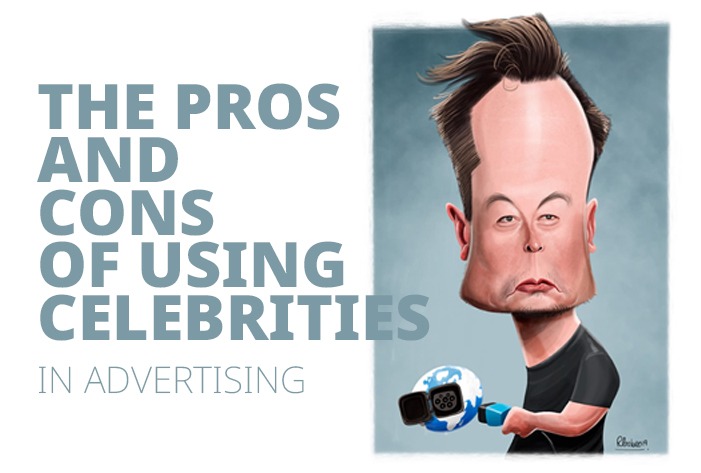
Celebrity endorsements are common Indian advertising. In a country where film stars, cricketers and digital influencers enjoy massive admiration, linking a brand with a famous personality can instantly drive visibility, trust and desirability. Although, it must be executed carefully, so that it enables brands to leverage fan communities and create emotional connections that conventional advertising struggles to achieve.
Amit Bailke
The desire to distinguish yourself in a sea of similar brands through bold, disruptive work has become a blanket claim, since only a few actually do so. Most of the envelope-pushing work agencies develop never reaches the client — it dies a silent death within the agency, in a cycle fed by both sides. The lack of courage lies with neither the client nor the agency, but with both.
 Mihir Modak
A new client has been onboarded and says, “Surprise us. No idea is a bad idea.” At first glance, this is the dream brief: no red tape, no strict obligations, pure creative freedom. But “Surprise me” is an incomplete instruction packaged as a complete one, and it ends up wasting exactly what it was meant to save: time.
Mihir Modak
It takes a lot of effort to make things seem effortless. “Daag Acche Hain” doesn’t sound like a typical tagline — it sounds like an actual conversation, and that is exactly why it works so well. The best taglines don’t sound baked in a creative agency, but that ease comes with hard work.
Mihir Modak