Blog.
In India’s dynamic business landscape, a brand is far more than its logo, tagline, or colour palette. It’s the sum of promises kept, experiences delivered, and trust earned over time. Whether it’s a Bengaluru fintech startup or a century-old textile house in Surat, brands that thrive are those that go deeper than design — they live in the minds and hearts of their customers.
A great brand operates on multiple levels: identity, strategy, values, and the ability to adapt in a noisy digital marketplace. Let’s break it down.
1. A Symbol That Stands for Something
A logo can grab attention, but what keeps people coming back is the meaning behind it. In India, where choice is abundant and loyalty hard-earned, customers connect with brands that represent more than just products – they represent purpose.
Think of Amul: the girl in the polka-dot dress is cute, yes, but what she stands for – quality, consistency, and cultural wit – is what cements brand loyalty. Without a deeper message, even the most beautiful brand identity becomes a hollow shell.
2. Brand as a Strategic Asset
When competition heats up, tangible assets – technology, distribution, even pricing – can be replicated. What can’t be copied is the trust and emotional equity you’ve built over time.
Consider Royal Enfield. Competitors can manufacture bikes in the same price range, but they can’t easily replicate the heritage, rider community, and aspirational lifestyle the brand represents. In a market as price-sensitive as India, brand loyalty can be the difference between surviving and thriving.
3. Storytelling That Resonates
Facts inform, but stories stick. In a market where consumers are bombarded with ‘50% off’ and ‘best in class’ messages, brands that weave compelling narratives rise above the noise.
Take Paper Boat. They don’t just sell drinks – they package nostalgia, evoking memories of childhood summers and homemade recipes. The product becomes a bridge to an emotional experience, making the brand unforgettable.
4. Values Customers Can Feel
Today’s Indian consumer, especially Gen Z and urban millennials, cares about what a brand stands for. But “cause marketing” without authenticity is quickly called out.
Tata’s long-standing reputation for ethical conduct isn’t built on seasonal campaigns; it’s the result of decades of consistent action — from fair business practices to community upliftment. Values become powerful only when they are lived, not just advertised.
5. The Little Things That Build Loyalty
Brand trust isn’t created by grand gestures alone. Often, it’s the small, thoughtful actions that make customers feel valued — like a hotel staff remembering your tea preference or a D2C brand resolving an issue with empathy instead of bureaucracy.
In India’s service-driven economy, these micro-moments can become your biggest competitive edge.
6. Human Connection Connects Like No Other
The brands we love most are often described like people: dependable, honest, relatable. That’s because strong brands behave like trusted friends. They communicate openly, deliver on promises, and recover gracefully from mistakes.
In a country where word-of-mouth remains the most trusted marketing channel, human connection isn’t just a “soft” branding element — it’s a business imperative.
Final Word
In India’s high-growth, high-competition market, your brand is your moat. It’s not the logo, not the tagline, not the product specs — it’s the trust, the stories, the values, and the human touch that make customers choose you again and again.
A great brand here doesn’t just sell; it builds relationships. And in a country where relationships are important, that’s the most valuable asset you can own.
Tags:
Blogs
More Stories
In India’s dynamic business landscape, a brand is far more than its logo, tagline, or colour palette. It’s the sum of promises kept, experiences delivered, and trust earned over time. Whether it’s a Bengaluru fintech startup or a century-old textile house in Surat, brands that thrive are those that go deeper than design — they live in the minds and hearts of their customers.
 Amit Bailke
In today’s noisy marketplace, your brand isn’t just competing with other businesses – it’s competing with every post, ad, and notification that distracts your audience. That’s why the advertising agency you choose can be the single most important decision for your marketing success.
Amit Bailke
Many marketing projects derail not because the agency lacks talent, but because the client didn’t clearly define what they needed in the first place. Think about it — if your team and your agency aren’t aligned on the starting point, the goal, and the parameters, you’ll waste time, burn budget, and risk getting work that doesn’t hit the mark.
Amit Bailke
We’ve all wondered at some point — does branding really make that much of a difference? A common myth is that branding is only for big companies with deep pockets. In reality, it’s not rocket science. When brands make informed, consistent decisions, consumers feel more confident engaging with them
Amit Bailke
We’ve all wondered at some point — does branding really make that much of a difference? A common myth is that branding iHumour has always held a special place in Indian marketing. From Amul’s iconic topical billboards to Fevicol’s legendary one-liners, humour has shaped the way brands win hearts in this country. Humour isn’t just a creative choice—it has become a strategic tool for brands looking to cut through overwhelming digital noise.
Amit Bailke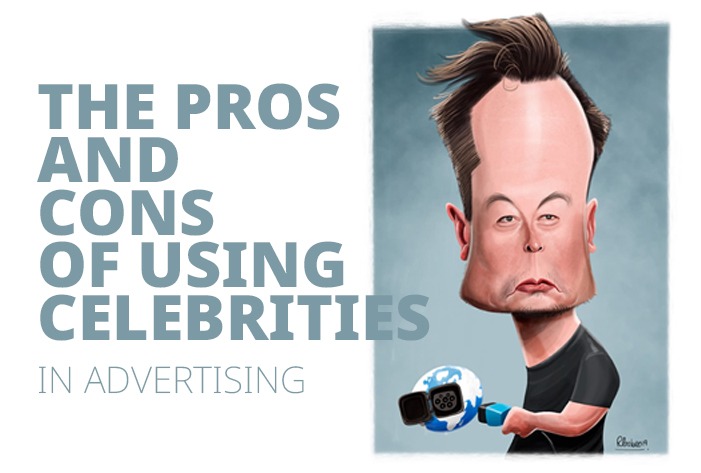
Celebrity endorsements are common Indian advertising. In a country where film stars, cricketers and digital influencers enjoy massive admiration, linking a brand with a famous personality can instantly drive visibility, trust and desirability. Although, it must be executed carefully, so that it enables brands to leverage fan communities and create emotional connections that conventional advertising struggles to achieve.
Amit Bailke
The desire to distinguish yourself in a sea of similar brands through bold, disruptive work has become a blanket claim, since only a few actually do so. Most of the envelope-pushing work agencies develop never reaches the client — it dies a silent death within the agency, in a cycle fed by both sides. The lack of courage lies with neither the client nor the agency, but with both.
 Mihir Modak
A new client has been onboarded and says, “Surprise us. No idea is a bad idea.” At first glance, this is the dream brief: no red tape, no strict obligations, pure creative freedom. But “Surprise me” is an incomplete instruction packaged as a complete one, and it ends up wasting exactly what it was meant to save: time.
Mihir Modak
It takes a lot of effort to make things seem effortless. “Daag Acche Hain” doesn’t sound like a typical tagline — it sounds like an actual conversation, and that is exactly why it works so well. The best taglines don’t sound baked in a creative agency, but that ease comes with hard work.
Mihir Modak