Blog.
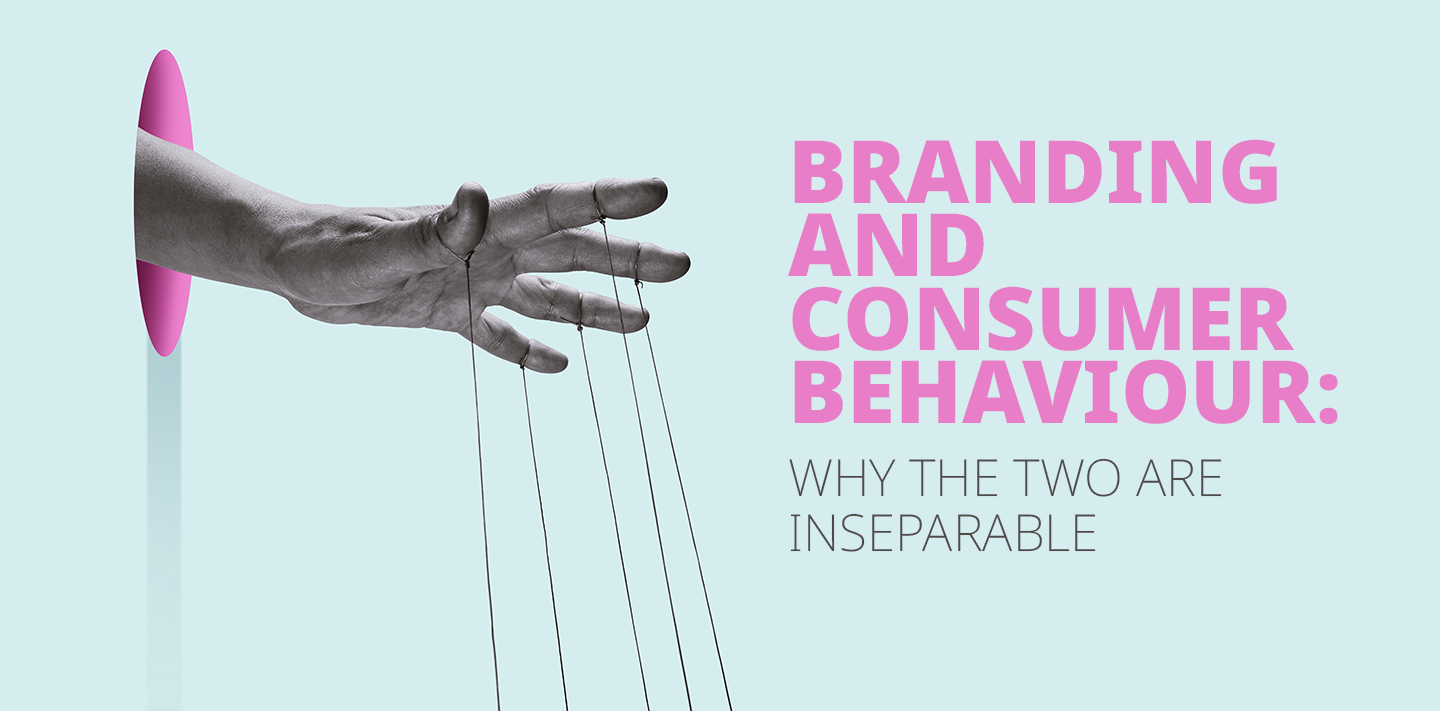
We’ve all wondered at some point — does branding really make that much of a difference?
A common myth is that branding is only for big companies with deep pockets. In reality, it’s not rocket science. When brands make informed, consistent decisions, consumers feel more confident engaging with them.
At its core, branding is about aligning with the consumer’s self-image. Ads don’t just sell products; they sell lifestyles and values. Over time, these impressions shape how people view and interact with a brand — and ultimately, whether they buy.
Why Branding Shapes Consumer Behaviour
Branding is more than a logo or slogan. It’s the sum of every interaction and impression a consumer has with your business. While brands can try to guide this perception, the truth is simple: brand perception lives in the minds of consumers.
Positive perception can be the difference between growth and failure. Brands that understand their target audience — and actively manage how they’re seen — stand out in crowded markets.
Six Ways Branding Influences Buying Decisions
1. Consumer Perception
A strong, consistent brand message shapes how people see you. The product itself matters, but so does the story you tell. When brand perception matches consumer needs, it creates loyalty — and loyalty drives repeat business.
2. Purchasing Decisions
Well-known brands often get chosen over lesser-known ones, even if the features are similar. Think of someone choosing between two phones: a trusted name like Samsung or iPhone feels like the “safe” choice, thanks to years of branding.
3. Peer Influence
Recommendations from friends and family are powerful. A single positive experience can spark multiple referrals. The reverse is also true — a bad experience spreads faster. Branding that resonates emotionally gives people a reason to advocate for you.
4. Status and Prestige
Some brands aren’t just products — they’re statements. Owning a Rolex says more than “I have a watch.” It signals achievement, taste, and exclusivity. That perception is the result of decades of careful branding.
5. Brand Loyalty
Loyal customers actively seek you out, resist competitor marketing, and are less sensitive to price changes. They buy more often, engage more deeply, and are more likely to try your new products.
6. Brand Marketing
Advertising, content, and positive customer experiences all build trust. Good brand marketing differentiates you from competitors and gives customers a reason to choose — and stay with — your brand.
The Role of Brand Loyalty in Consumer Behaviour:
- Loyal customers
- Make repeat purchases
- Recommend your brand
- Pay less attention to competitor offers
Engage with you on social media and loyalty programs
Are more willing to try new products you launch
- This loyalty allows brands to maintain steady sales, command premium pricing, and expand confidently into new markets.
The Bottom Line
Consumers shape your brand’s reputation more than you do. Great branding speaks their language, reflects their aspirations, and builds trust over time. It’s not about selling a product — it’s about creating meaningful connections that turn first-time buyers into lifelong advocates.
Tags:
Blogs
More Stories
In India’s dynamic business landscape, a brand is far more than its logo, tagline, or colour palette. It’s the sum of promises kept, experiences delivered, and trust earned over time. Whether it’s a Bengaluru fintech startup or a century-old textile house in Surat, brands that thrive are those that go deeper than design — they live in the minds and hearts of their customers.
 Amit Bailke
In today’s noisy marketplace, your brand isn’t just competing with other businesses – it’s competing with every post, ad, and notification that distracts your audience. That’s why the advertising agency you choose can be the single most important decision for your marketing success.
Amit Bailke
Many marketing projects derail not because the agency lacks talent, but because the client didn’t clearly define what they needed in the first place. Think about it — if your team and your agency aren’t aligned on the starting point, the goal, and the parameters, you’ll waste time, burn budget, and risk getting work that doesn’t hit the mark.
Amit Bailke
We’ve all wondered at some point — does branding really make that much of a difference? A common myth is that branding is only for big companies with deep pockets. In reality, it’s not rocket science. When brands make informed, consistent decisions, consumers feel more confident engaging with them
Amit Bailke
We’ve all wondered at some point — does branding really make that much of a difference? A common myth is that branding iHumour has always held a special place in Indian marketing. From Amul’s iconic topical billboards to Fevicol’s legendary one-liners, humour has shaped the way brands win hearts in this country. Humour isn’t just a creative choice—it has become a strategic tool for brands looking to cut through overwhelming digital noise.
Amit Bailke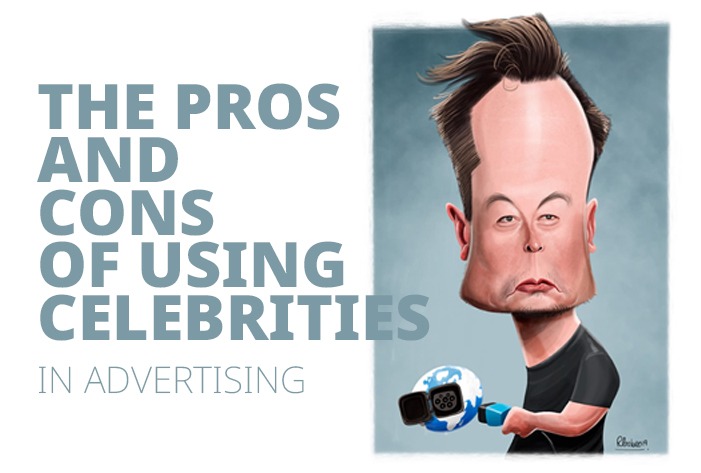
Celebrity endorsements are common Indian advertising. In a country where film stars, cricketers and digital influencers enjoy massive admiration, linking a brand with a famous personality can instantly drive visibility, trust and desirability. Although, it must be executed carefully, so that it enables brands to leverage fan communities and create emotional connections that conventional advertising struggles to achieve.
Amit Bailke
The desire to distinguish yourself in a sea of similar brands through bold, disruptive work has become a blanket claim, since only a few actually do so. Most of the envelope-pushing work agencies develop never reaches the client — it dies a silent death within the agency, in a cycle fed by both sides. The lack of courage lies with neither the client nor the agency, but with both.
 Mihir Modak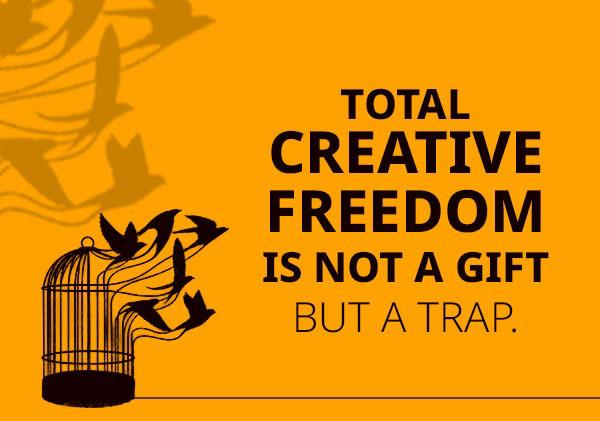
A new client has been onboarded and says, “Surprise us. No idea is a bad idea.” At first glance, this is the dream brief: no red tape, no strict obligations, pure creative freedom. But “Surprise me” is an incomplete instruction packaged as a complete one, and it ends up wasting exactly what it was meant to save: time.
Mihir Modak
It takes a lot of effort to make things seem effortless. “Daag Acche Hain” doesn’t sound like a typical tagline — it sounds like an actual conversation, and that is exactly why it works so well. The best taglines don’t sound baked in a creative agency, but that ease comes with hard work.
Mihir Modak