Blog.
Humour has always held a special place in Indian marketing. From Amul’s iconic topical billboards to Fevicol’s legendary one-liners, humour has shaped the way brands win hearts in this country. Humour isn’t just a creative choice—it has become a strategic tool for brands looking to cut through overwhelming digital noise. With Instagram Reels and YouTube Shorts dominating short-form content, and with X (formerly Twitter) driving fast-paced conversations, humour has evolved into a powerful way for brands to appear relatable, retain attention, and drive higher engagement.
Humour and the Indian Social Media Landscape
Indian audiences love content that feels real, light-hearted, and rooted in everyday life. This makes social media the perfect playground for humour-driven marketing. Platforms like Instagram, YouTube Shorts, X, ShareChat, and Moj allow brands to participate in ongoing conversations and cultural moments almost instantly. Unlike traditional advertising, social media encourages spontaneity, making humour feel more authentic than scripted. Most importantly, humour-led posts organically travel farther because Indians love sharing anything that makes them smile or laugh.
Humour also humanizes brands. A witty caption or a relatable joke often creates a stronger emotional bond than a polished advertisement. Brands that speak the language of their audiences – whether through memes, satire, banter, or playful one-liners – appear less corporate and more like a friendly voice in a crowded feed. These interactions spark conversations, boost user-generated content, and create an identity that feels youthful, warm, and accessible.
Fevicol: The Timeless Master of Indian Humour
Fevicol is one brand which can be called India’s humour king. Whether it was capitalizing on a viral cricket moment or adding a witty twist to a cultural event, Fevicol showcased how humour can make a brand unforgettable. When seats refused to budge during an IPL match, Fevicol posted, “Yeh seat uthegi hi nahi,” winning thousands of shares. This in one of their many instances wherein humour-driven strategy has kept the brand fresh in the minds of the consumers. Their humour is simple yet clever—rooted in India’s daily realities and cultural quirks. This consistency keeps the brand relevant across generations.
Zomato and Dream11 have followed a similar path in recent years, turning meme culture and conversational humour into high-engagement engines. Whether it’s Zomato joking about your “midnight cravings” or Dream11 roasting fans during cricket tournaments, Indian brands have mastered the art of tapping into humour that mirrors everyday moods and moments.
AI-Powered Personalised Humour
Artificial intelligence has unlocked a new era of personalised humour in marketing. Brands can now deliver jokes, witty nudges, and humorous reminders based on browsing patterns, abandoned carts, user mood, or past purchase behaviour. Indian e-commerce giants like Flipkart and Myntra are already using AI to craft playful subject lines such as, “Your cart is crying again… please rescue it,” or “Those shoes are still waiting for their forever home.”
This hyper-personalisation works brilliantly for two reasons: it feels tailored, and it doesn’t feel intrusive. A touch of humour softens the sales push and makes the brand seem more human. However, it’s important that AI-generated humour never crosses cultural or emotional boundaries. The tone must be warm, inclusive, and simple enough to resonate across India’s vast and diverse audience.
Meme Culture and the Viral Wave
Memes are practically a second language in India. From cricket moments and Bollywood jokes to relatable workplace problems, memes shape daily conversations online. They are quick to consume, easy to share, and deeply relatable, making them a goldmine for marketers.
Brands like Zomato, Swiggy, Dunzo, Netflix India, and Dream11 leverage meme culture with remarkable precision. They observe what the audience is laughing at, adapt it to their brand context, and ride the wave before it fades. The success of this strategy lies in its timing and relevance. A meme posted at the perfect cultural moment can generate organic reach that paid advertisements struggle to match. It fosters a sense of community because audiences enjoy being part of a shared joke.
Humour for Social Causes
While humour is often used for entertainment, it can also make socially relevant messages more approachable. When used thoughtfully, humour softens the communication around serious topics without trivialising them. Amul is a perfect example of this balance. Through its iconic topical ads, Amul often addresses issues such as climate change, sustainability, public awareness, and societal behaviour, delivering the message with gentle wit rather than preachiness.
Humour in cause-based marketing works when it draws attention without overshadowing the issue. A simple, clever twist can make audiences pause, smile, and think, all at the same time. But brands must remain sensitive and avoid humour that may appear dismissive or offensive in contexts involving health, safety, social justice or religion.
The Rise of AR, VR, and Interactive Humour
Immersive technologies have opened the door to a new kind of humour—interactive, experiential, and unforgettable. Brands are experimenting with AR filters, VR demos, gamified ads, and playful 3D interactions to create a fun, engaging brand experience. Globally, Burger King’s “Burn That Ad” campaign set the benchmark, and Indian brands are following suit with their own twists.
Striking the Right Balance
As powerful as humour is, it must always remain true to the brand’s personality. A premium luxury brand may prefer subtle wit over slapstick comedy, while a youthful brand like Swiggy or Dunzo can comfortably explore quirky humour. Cultural sensitivity is crucial in India’s diverse landscape. Humour must never rely on stereotypes, sensitive themes, or political commentary. The aim should always be to uplift, not alienate.
Final Thoughts
India’s humour landscape is vibrant, diverse, and constantly expanding. Brands that understand the pulse of Indian audiences, embrace cultural nuances, and maintain a consistent humorous identity are the ones that win engagement in 2025. Whether through user-generated humour, AI-driven personalization, meme culture, cause-based campaigns, or immersive technology, humour remains one of the most powerful tools to connect with today’s digital-first consumers.
In a world full of noise, the brands that make India smile are the brands that India remembers.
Tags:
Blogs
More Stories
In India’s dynamic business landscape, a brand is far more than its logo, tagline, or colour palette. It’s the sum of promises kept, experiences delivered, and trust earned over time. Whether it’s a Bengaluru fintech startup or a century-old textile house in Surat, brands that thrive are those that go deeper than design — they live in the minds and hearts of their customers.
 Amit Bailke
In today’s noisy marketplace, your brand isn’t just competing with other businesses – it’s competing with every post, ad, and notification that distracts your audience. That’s why the advertising agency you choose can be the single most important decision for your marketing success.
Amit Bailke
Many marketing projects derail not because the agency lacks talent, but because the client didn’t clearly define what they needed in the first place. Think about it — if your team and your agency aren’t aligned on the starting point, the goal, and the parameters, you’ll waste time, burn budget, and risk getting work that doesn’t hit the mark.
Amit Bailke
We’ve all wondered at some point — does branding really make that much of a difference? A common myth is that branding is only for big companies with deep pockets. In reality, it’s not rocket science. When brands make informed, consistent decisions, consumers feel more confident engaging with them
Amit Bailke
We’ve all wondered at some point — does branding really make that much of a difference? A common myth is that branding iHumour has always held a special place in Indian marketing. From Amul’s iconic topical billboards to Fevicol’s legendary one-liners, humour has shaped the way brands win hearts in this country. Humour isn’t just a creative choice—it has become a strategic tool for brands looking to cut through overwhelming digital noise.
Amit Bailke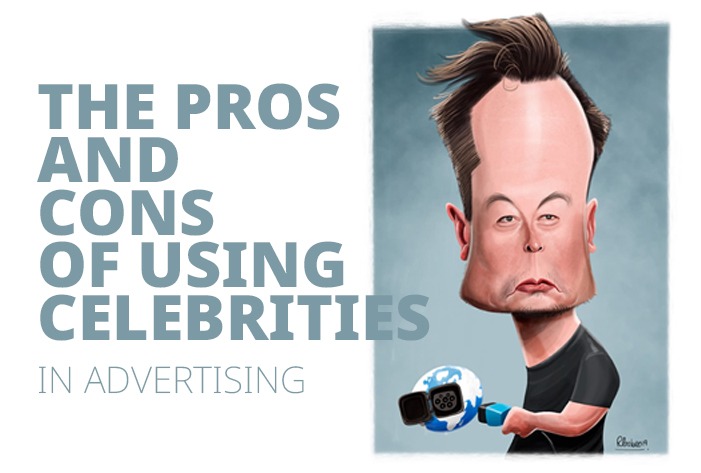
Celebrity endorsements are common Indian advertising. In a country where film stars, cricketers and digital influencers enjoy massive admiration, linking a brand with a famous personality can instantly drive visibility, trust and desirability. Although, it must be executed carefully, so that it enables brands to leverage fan communities and create emotional connections that conventional advertising struggles to achieve.
Amit Bailke
The desire to distinguish yourself in a sea of similar brands through bold, disruptive work has become a blanket claim, since only a few actually do so. Most of the envelope-pushing work agencies develop never reaches the client — it dies a silent death within the agency, in a cycle fed by both sides. The lack of courage lies with neither the client nor the agency, but with both.
 Mihir Modak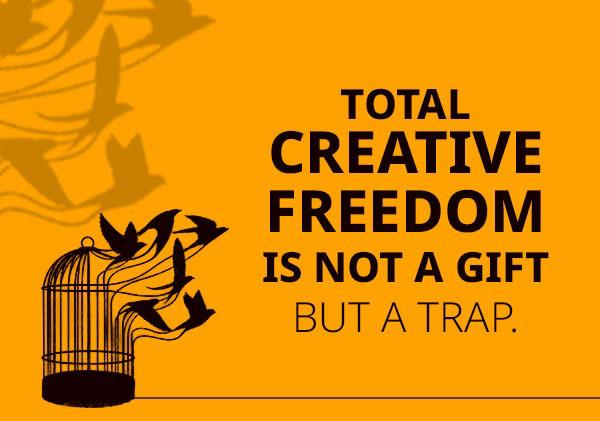
A new client has been onboarded and says, “Surprise us. No idea is a bad idea.” At first glance, this is the dream brief: no red tape, no strict obligations, pure creative freedom. But “Surprise me” is an incomplete instruction packaged as a complete one, and it ends up wasting exactly what it was meant to save: time.
Mihir Modak
It takes a lot of effort to make things seem effortless. “Daag Acche Hain” doesn’t sound like a typical tagline — it sounds like an actual conversation, and that is exactly why it works so well. The best taglines don’t sound baked in a creative agency, but that ease comes with hard work.
Mihir Modak