Blog.
It takes a lot of effort to make things seem effortless.
“Daag Acche Hain” doesn’t sound like a typical tagline; it doesn’t have a subliminal brand voice; it has a loving voice you hear when someone washes your clothes; they say it for themselves and for you. Because it’s an actual conversation, it works so well.
The best tags have this innate quality. They don’t sound baked in a creative agency; someone might have said it at the right moment without thinking too much. Natural and organic are buzzwords we love to use to show ease, but that ease comes with hard work.
The Paradox at the Centre of Copywriting
Less is more has never been truer than with copy. A tagline goes through briefs, rounds of discussion, approvals and disapprovals, checks and tests, so that by the time it is plastered somewhere, each word reflects each team member’s thought.
But it shouldn’t portray that; it should portray the sense of an epiphany. The paradox and work lie in hiding the effort; for some reason, hard work shows. When a writer is pulling his hair trying to write something just clever enough, it shows.
As Don Draper from Mad Men eloquently puts it, “Think about it deeply and then forget about it. And then an idea will jump in your face.”
Good writing hides the work behind it.
What “Accidental” Actually Requires
The adage that editing and rewriting are the truest form of writing may be trite, but it holds weight.
“Daag Achhe Hain” will start with a stretched-out version that explains what a stain means to a child enjoying their childhood and how it portrays a child living their life to the fullest. This idea was communicated concisely in three words, leaving the rest to the audience’s imagination.
The same skill is evident in ‘Har Ghar Kuch Kehta Hai’. Simply mentioning the paint, colour, or decor suggests that every home has its own unique story, and it places the onus of the brand connection on the brand. The best ideas are built around the customer’s imagination, because once the brand is in their mind, an ad can run all day.
Why This Is Harder Than It Looks
Writing something with the intention of making it seem unwritten goes against everything writers are taught to do: be clever, stick to the brief, show your thinking on the page.
Copy that relies too heavily on clever wordplay seems forced; rather than the brand, it draws attention to the tagline and the writer. Taglines that are embedded into people’s minds seem simple at first, but with each look, the layers are pulled back. This is exactly why a simple translation doesn’t work for most taglines: all the context and subtext are lost in translation.
The Test That Actually Matters
Usually the focus stays on whether the line fits the brand strategy, which is important, but if someone who doesn’t know anything about the brand says it naturally, it captures a niche in the market that is market-trend-proof.
If a tagline needs to be explained further, then it’s just copy. The true testament to storytelling is seen when it can be said out of context, like at a dinner table with no mention of the brand or product. That turns plain copy into a brand’s language.
Final Word
Simply sounding smart in a pitch meeting isn’t an indicator of a good idea.
The real skill is making the writing disappear. If you can still see the writer’s hand, the work isn’t finished yet.
Once a piece of writing is referenced enough times in everyday conversations, it becomes a part of the cultural zeitgeist.
Tags:
Blogs
More Stories
In India’s dynamic business landscape, a brand is far more than its logo, tagline, or colour palette. It’s the sum of promises kept, experiences delivered, and trust earned over time. Whether it’s a Bengaluru fintech startup or a century-old textile house in Surat, brands that thrive are those that go deeper than design — they live in the minds and hearts of their customers.
 Amit Bailke
In today’s noisy marketplace, your brand isn’t just competing with other businesses – it’s competing with every post, ad, and notification that distracts your audience. That’s why the advertising agency you choose can be the single most important decision for your marketing success.
Amit Bailke
Many marketing projects derail not because the agency lacks talent, but because the client didn’t clearly define what they needed in the first place. Think about it — if your team and your agency aren’t aligned on the starting point, the goal, and the parameters, you’ll waste time, burn budget, and risk getting work that doesn’t hit the mark.
Amit Bailke
We’ve all wondered at some point — does branding really make that much of a difference? A common myth is that branding is only for big companies with deep pockets. In reality, it’s not rocket science. When brands make informed, consistent decisions, consumers feel more confident engaging with them
Amit Bailke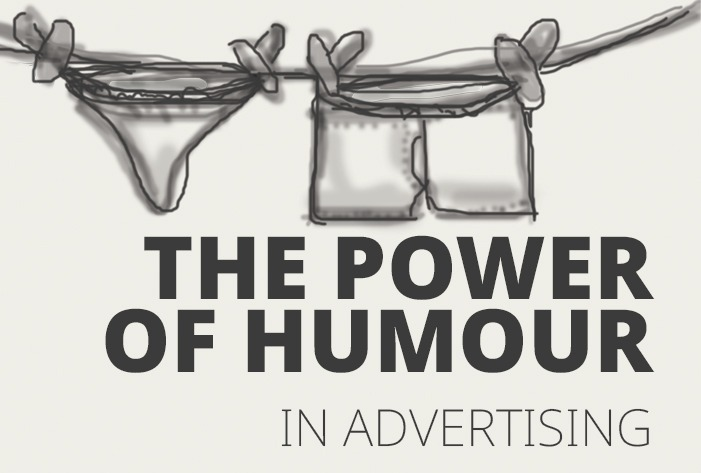
We’ve all wondered at some point — does branding really make that much of a difference? A common myth is that branding iHumour has always held a special place in Indian marketing. From Amul’s iconic topical billboards to Fevicol’s legendary one-liners, humour has shaped the way brands win hearts in this country. Humour isn’t just a creative choice—it has become a strategic tool for brands looking to cut through overwhelming digital noise.
Amit Bailke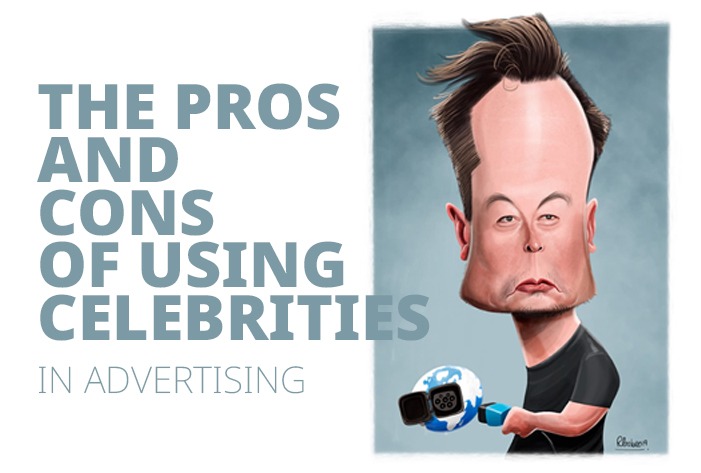
Celebrity endorsements are common Indian advertising. In a country where film stars, cricketers and digital influencers enjoy massive admiration, linking a brand with a famous personality can instantly drive visibility, trust and desirability. Although, it must be executed carefully, so that it enables brands to leverage fan communities and create emotional connections that conventional advertising struggles to achieve.
Amit Bailke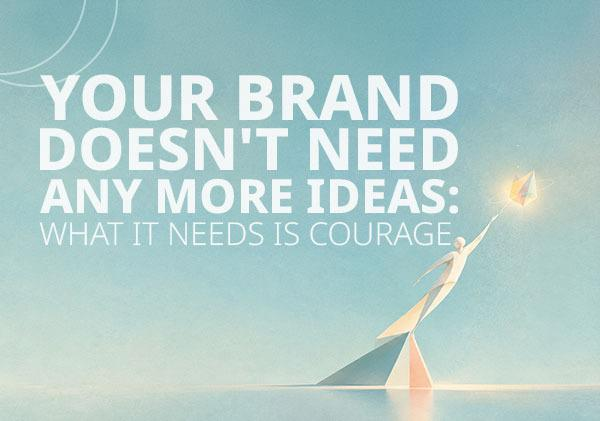
The desire to distinguish yourself in a sea of similar brands through bold, disruptive work has become a blanket claim, since only a few actually do so. Most of the envelope-pushing work agencies develop never reaches the client — it dies a silent death within the agency, in a cycle fed by both sides. The lack of courage lies with neither the client nor the agency, but with both.
 Mihir Modak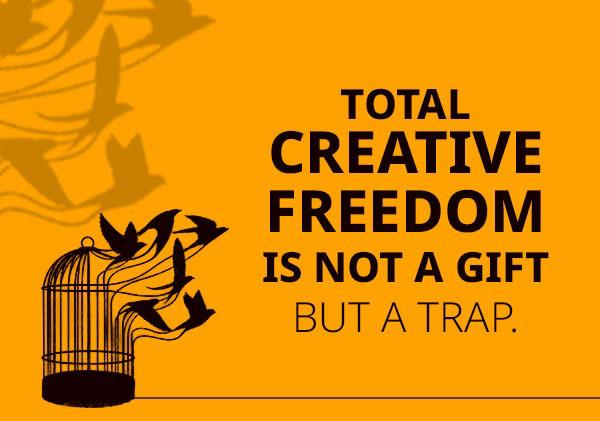
A new client has been onboarded and says, “Surprise us. No idea is a bad idea.” At first glance, this is the dream brief: no red tape, no strict obligations, pure creative freedom. But “Surprise me” is an incomplete instruction packaged as a complete one, and it ends up wasting exactly what it was meant to save: time.
Mihir ModakIt takes a lot of effort to make things seem effortless. “Daag Acche Hain” doesn’t sound like a typical tagline — it sounds like an actual conversation, and that is exactly why it works so well. The best taglines don’t sound baked in a creative agency, but that ease comes with hard work.
Mihir Modak