Blog.
A modern guide to briefing advertising agencies effectively.
Why Most Campaigns Go Off Track
Many marketing projects derail not because the agency lacks talent, but because the client didn’t clearly define what they needed in the first place.
Think about it — if your team and your agency aren’t aligned on the starting point, the goal, and the parameters, you’ll waste time, burn budget, and risk getting work that doesn’t hit the mark.
That’s where a strong written brief comes in. It’s not just a formality — it’s the foundation for better ideas, smoother collaboration, and measurable success.
The Three Big Reasons You Should Always Write a Brief
1. Better, More Impactful Work
A great brief doesn’t just tell an agency what you want — it inspires them to produce work that’s on-point and strategically sound. When creative teams know the boundaries, objectives, and background, they can focus their talent where it matters.
Insight: The tighter and clearer your parameters, the more imaginative the solutions will be. Creativity loves focus.
2. Saving Time and Money
Skipping a proper brief to “move faster” usually backfires. Without a clear direction, agencies often have to redo work, adjust concepts, and re-present — all of which delays progress and eats into budgets.
Insight: Documenting your requirements early reduces revisions later. One hour spent on a strong brief can save weeks in rework.
3. Fairer, More Transparent Remuneration
If you can’t measure whether your marketing spend achieved its objectives, you can’t fairly evaluate performance — and payment-by-results becomes impossible. A written brief sets clear objectives and success metrics, making accountability straightforward for everyone.
Insight: A measurable brief protects both the client’s investment and the agency’s credibility.
The Core Structure of a High-Impact Client Brief
To make briefing efficient and effective, cover these eight areas:
1. Project Basics
List the essential details so there’s no confusion:
- Project name & type
- Dates and deadlines
- Company/brand details
- Key client and agency contacts
- Purchase order or job number (if relevant)
2. Current Situation
Outline where things stand today. Share context on:
- The product or service (and its benefits)
- Distribution channels
- Market size and trends
- Customer usage and behaviour
- Competitor activity
- Past marketing efforts and results
3. Desired Outcome
Define exactly what success looks like. Be specific and measurable:
- Increase sales by X%
- Boost brand awareness by Y points
- Improve customer perception in a particular area
- Expand into a new demographic segment
Tie these to your larger marketing and business strategy.
4. Strategy Overview
Explain the bigger picture:
- Your overall marketing strategy
- How this project fits into the wider plan
- The role of each channel or agency
- Key messages and brand tone
Give enough direction to guide the work but leave room for the agency’s expertise.
5. Target Audience
Define your audience beyond age and income:
- Demographics, behaviours, values, and attitudes
- What motivates them
- Insights you already have that could spark better ideas
6. Measurement & Evaluation
Decide in advance how you’ll judge success:
- Which KPIs matter most
- When results will be reviewed
- Who will track and analyse them
7. Practical Considerations
Cover the operational essentials:
- Budget: State it upfront or provide scenarios
- Timelines: Include milestones, approvals, and deadlines
- Constraints: Legal guidelines, brand rules, market limitations
8. Approvals
Identify exactly who signs off on both the brief and the finished work. This prevents delays and conflicting feedback later.
The Bottom Line
A good brief isn’t red tape — it’s your blueprint for success. It gives your agency the clarity they need to bring their best thinking to the table, while saving you time, protecting your budget, and ensuring you can measure results.
In other words: if you want great work, start with a great brief.
Tags:
Blogs
More Stories
In India’s dynamic business landscape, a brand is far more than its logo, tagline, or colour palette. It’s the sum of promises kept, experiences delivered, and trust earned over time. Whether it’s a Bengaluru fintech startup or a century-old textile house in Surat, brands that thrive are those that go deeper than design — they live in the minds and hearts of their customers.
 Amit Bailke
In today’s noisy marketplace, your brand isn’t just competing with other businesses – it’s competing with every post, ad, and notification that distracts your audience. That’s why the advertising agency you choose can be the single most important decision for your marketing success.
Amit Bailke
Many marketing projects derail not because the agency lacks talent, but because the client didn’t clearly define what they needed in the first place. Think about it — if your team and your agency aren’t aligned on the starting point, the goal, and the parameters, you’ll waste time, burn budget, and risk getting work that doesn’t hit the mark.
Amit Bailke
We’ve all wondered at some point — does branding really make that much of a difference? A common myth is that branding is only for big companies with deep pockets. In reality, it’s not rocket science. When brands make informed, consistent decisions, consumers feel more confident engaging with them
Amit Bailke
We’ve all wondered at some point — does branding really make that much of a difference? A common myth is that branding iHumour has always held a special place in Indian marketing. From Amul’s iconic topical billboards to Fevicol’s legendary one-liners, humour has shaped the way brands win hearts in this country. Humour isn’t just a creative choice—it has become a strategic tool for brands looking to cut through overwhelming digital noise.
Amit Bailke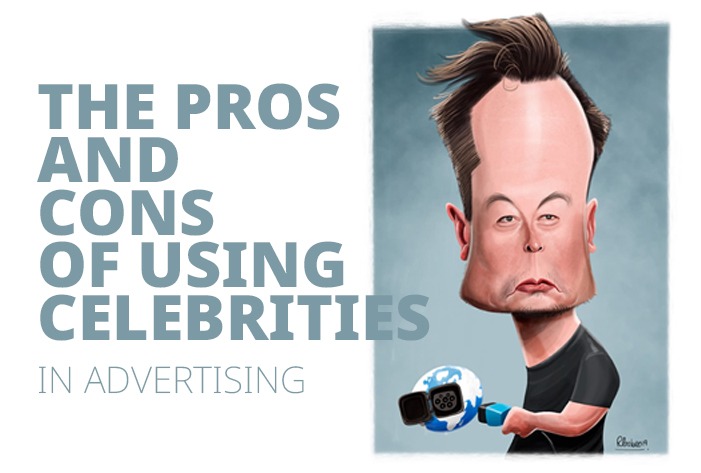
Celebrity endorsements are common Indian advertising. In a country where film stars, cricketers and digital influencers enjoy massive admiration, linking a brand with a famous personality can instantly drive visibility, trust and desirability. Although, it must be executed carefully, so that it enables brands to leverage fan communities and create emotional connections that conventional advertising struggles to achieve.
Amit Bailke
The desire to distinguish yourself in a sea of similar brands through bold, disruptive work has become a blanket claim, since only a few actually do so. Most of the envelope-pushing work agencies develop never reaches the client — it dies a silent death within the agency, in a cycle fed by both sides. The lack of courage lies with neither the client nor the agency, but with both.
 Mihir Modak
A new client has been onboarded and says, “Surprise us. No idea is a bad idea.” At first glance, this is the dream brief: no red tape, no strict obligations, pure creative freedom. But “Surprise me” is an incomplete instruction packaged as a complete one, and it ends up wasting exactly what it was meant to save: time.
Mihir Modak
It takes a lot of effort to make things seem effortless. “Daag Acche Hain” doesn’t sound like a typical tagline — it sounds like an actual conversation, and that is exactly why it works so well. The best taglines don’t sound baked in a creative agency, but that ease comes with hard work.
Mihir Modak