Blog.
Your campaigns’ jump-off point is sitting under your product listing.
Open any e-shopping platform, scroll past any mattress, mixer grinder, or sunscreen, and you'll see customer reviews. A customer has described the product better than any of the brand copy ever did. “The mixer sounded like a train leaving the station”, “This mattress finally ended an argument with my back”, “This serum did nothing for me, then my sister asked me what I was using.”
Customers took about thirty seconds to write those reviews; the brand’s headline needed over four rounds of approvals.
The Brief Everyone Pays For
A research deck is the home base for a creative brief. Audience personas, category analytics, and survey percentages build the furniture, and agencies spend weeks in kickoff calls trying to find the emotional reason someone should buy something, not the rational one.
The review page, however, already holds the emotional connection, written by people who bought the product and cared enough to put their feelings into words. They don’t actually care what happens with the company. Nobody paid them. They just spoke their mind.
Research tells you what people say when prompted; reviews show what they say unprompted.
Where the Real Words Hide
Diamonds are hidden in crevices, real and metaphorical. The five-star reviews read like thank-you notes; one-star reviews often sound like logistical complaints with little product information.
The gold tends to live in the three- and four-star reviews, where people explain themselves. They describe what they expected, what they got, and how they would explain it to a friend. That last part matters most for a copywriter, because a friend-to-friend explanation is exactly the register a good ad is trying to reach.
The three- and four-star reviews are diamonds built under pressure, where people write better than any copywriter could.
Platforms have already tapped into this. Amazon now summarises what customers mention most often, and Flipkart tags verified buyer reviews. Nykaa’s skincare and makeup review sections are filled with shade nuances and confessions no brief would think to ask about. These platforms have built focus groups that work for their betterment at no extra cost.
What Reviews Teach That Briefs Cannot
Products solve new problems, problems the brand never foresaw. A pressure cooker is used to cook, but it can also be bought as a going-away present for a college-bound youngun. People buy a kurta again and again because the colour stays vibrant after several washes in the harsh PG laundry.
These reasons never show up in the initial research. They show up in reviews, usually after the customer’s overall impressions. A brand that reads the fine print finds out the real reason someone buys the product- a reason the media plan was never built around.
Reviews can also develop brand vocabulary. “Odour-free technology” becomes “no after smell”; “doesn’t pill” sounds better than “Premium fabric finish”. The customer’s version is easier for the commoner to visualise.
How to Actually Read Them
An hour with the review page, done properly, looks like this. Copy forty or fifty reviews into one document. Underline every phrase that made you smile or wince. Group the underlined phrases by the situation they describe, such as before buying, first use, and the week after. Then look at the ones that repeat.
Three strangers describing the same thing means the line is already written. The copywriter’s job is to tidy it up.
The Habit Worth Building
Most agencies need a brand’s sales data and a competitor audit during onboarding, but adding product reviews to that list takes at most an afternoon and gives a better starting point than most strategy documents.
The reviews also keep updating. A campaign can be updated with it: something launched in March can be checked against what customers are saying in April, turning the page into a scorecard for whether the campaign’s message landed.
Final Word
Large budgets go into deciphering how customers talk, when the answer has been lying dormant under the listing, in plain words written by the campaign’s audience. The next brief can be condensed to one sentence: read the reviews, then write.
Tags:
Blogs
More Stories
In India’s dynamic business landscape, a brand is far more than its logo, tagline, or colour palette. It’s the sum of promises kept, experiences delivered, and trust earned over time. Whether it’s a Bengaluru fintech startup or a century-old textile house in Surat, brands that thrive are those that go deeper than design — they live in the minds and hearts of their customers.
 Amit Bailke
In today’s noisy marketplace, your brand isn’t just competing with other businesses – it’s competing with every post, ad, and notification that distracts your audience. That’s why the advertising agency you choose can be the single most important decision for your marketing success.
Amit Bailke
Many marketing projects derail not because the agency lacks talent, but because the client didn’t clearly define what they needed in the first place. Think about it — if your team and your agency aren’t aligned on the starting point, the goal, and the parameters, you’ll waste time, burn budget, and risk getting work that doesn’t hit the mark.
Amit Bailke
We’ve all wondered at some point — does branding really make that much of a difference? A common myth is that branding is only for big companies with deep pockets. In reality, it’s not rocket science. When brands make informed, consistent decisions, consumers feel more confident engaging with them
Amit Bailke
We’ve all wondered at some point — does branding really make that much of a difference? A common myth is that branding iHumour has always held a special place in Indian marketing. From Amul’s iconic topical billboards to Fevicol’s legendary one-liners, humour has shaped the way brands win hearts in this country. Humour isn’t just a creative choice—it has become a strategic tool for brands looking to cut through overwhelming digital noise.
Amit Bailke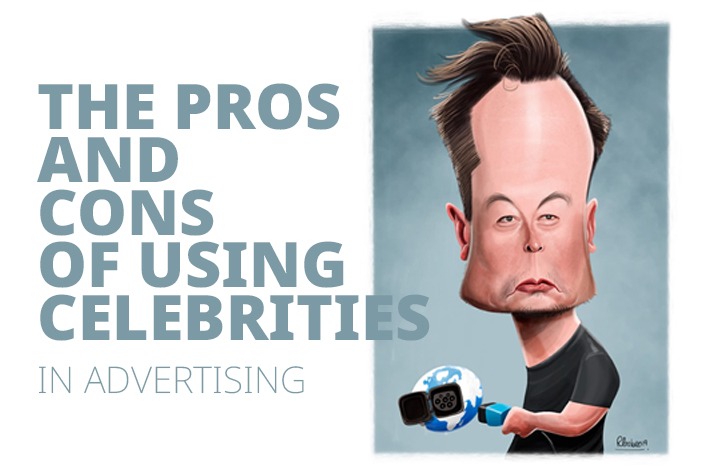
Celebrity endorsements are common Indian advertising. In a country where film stars, cricketers and digital influencers enjoy massive admiration, linking a brand with a famous personality can instantly drive visibility, trust and desirability. Although, it must be executed carefully, so that it enables brands to leverage fan communities and create emotional connections that conventional advertising struggles to achieve.
Amit Bailke
The desire to distinguish yourself in a sea of similar brands through bold, disruptive work has become a blanket claim, since only a few actually do so. Most of the envelope-pushing work agencies develop never reaches the client — it dies a silent death within the agency, in a cycle fed by both sides. The lack of courage lies with neither the client nor the agency, but with both.
 Mihir Modak
A new client has been onboarded and says, “Surprise us. No idea is a bad idea.” At first glance, this is the dream brief: no red tape, no strict obligations, pure creative freedom. But “Surprise me” is an incomplete instruction packaged as a complete one, and it ends up wasting exactly what it was meant to save: time.
Mihir Modak
It takes a lot of effort to make things seem effortless. “Daag Acche Hain” doesn’t sound like a typical tagline — it sounds like an actual conversation, and that is exactly why it works so well. The best taglines don’t sound baked in a creative agency, but that ease comes with hard work.
Mihir Modak
The 30-second ad was the standard for advertising for as long as anyone can remember. Budgets, briefs, and strategies were designed around it. Today, attention is split between reels, shorts and stories, and most ads get their verdict within the first two or three seconds.
Mihir Modak
In 2009, IKEA swapped Futura for Verdana. The products and the copy were unchanged, but a brand famous for thoughtful design suddenly felt generic. Typography is the first impression your brand makes, and it gets read before a single word does.
Mihir Modak
“Dumb Ways to Die” broke records at Cannes Lions, yet the rail network saw only a small drop in near-misses. Clients and juries keep different scoreboards, and trouble starts when it is unclear which one a campaign was meant to win.
Mihir Modak
Open any e-shopping platform and the customer reviews describe the product better than the brand copy ever did. The three- and four-star reviews are where people explain themselves, in exactly the friend-to-friend register a good ad is trying to reach.
Mihir Modak